

 Facebook
 X
X
 Pinterest
 Copy Link
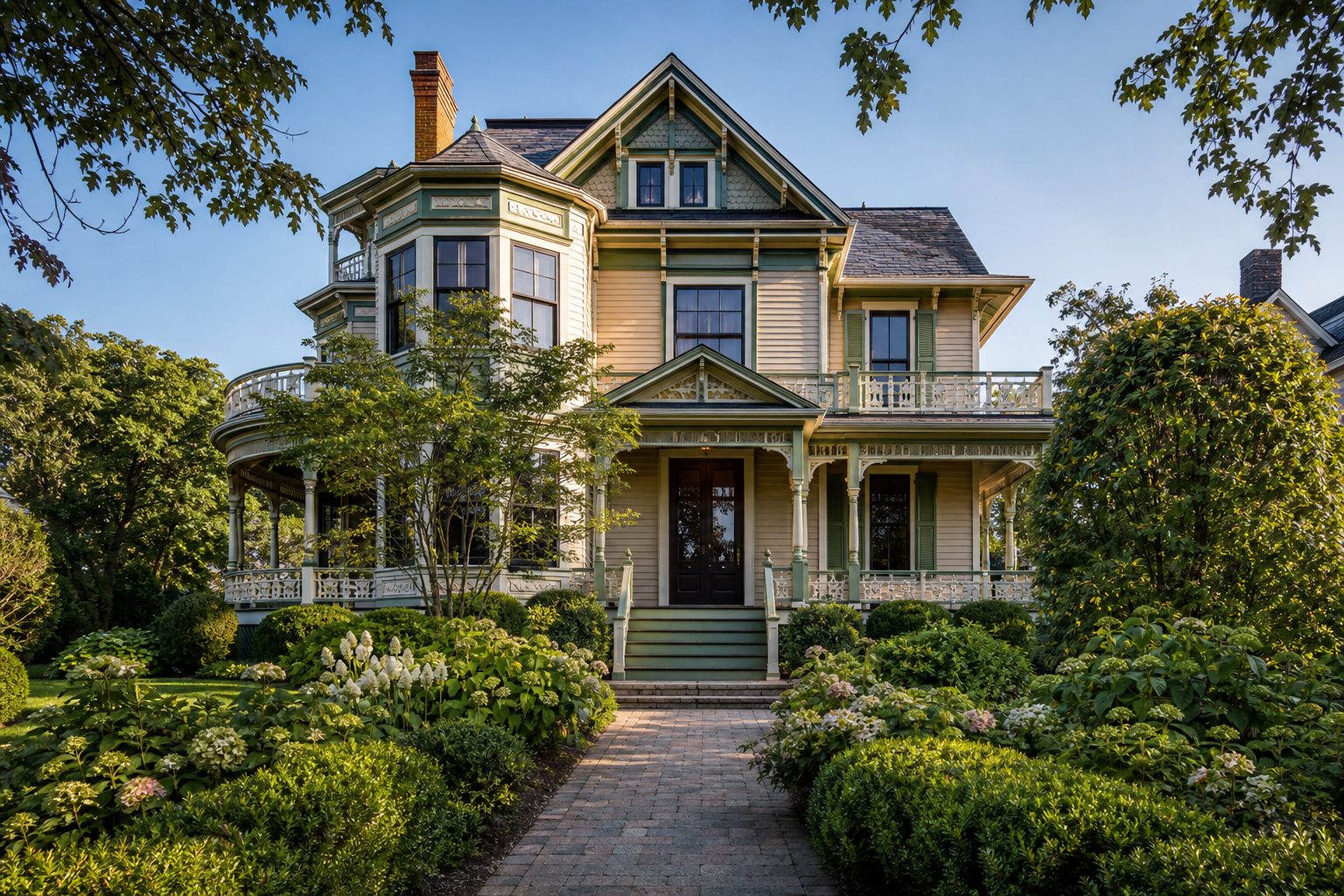
Luxury properties at Cape May’s Southern NJ Shore stand apart through a combination of authentically restored Victorian architecture, specific waterfront positioning, high-end interior systems, and access to a historic district that no newer resort community can replicate. The result is a market where character and location drive value as much as square footage.
What sets luxury properties apart at Cape May’s Southern NJ Shore?
Luxury properties at Cape May’s Southern NJ Shore are distinguished by a combination that is genuinely hard to find elsewhere: authentically restored Victorian architecture inside a designated National Historic Landmark district, specific waterfront or water-view positioning, and modern interior systems woven into period structures. The market rewards properties that deliver all three, and buyers who understand those layers make better decisions.
Key Takeaways
- Cape May’s historic district was designated a National Historic Landmark on May 11, 1976, making it one of the most architecturally significant resort communities on the East Coast.
- More than 600 authentically restored and preserved Victorian structures give Cape May luxury buyers an architectural setting that newer shore communities simply cannot replicate.
- “Waterfront” means something specific here: oceanfront, bayfront, harbor-facing, and water-view properties each carry distinct lifestyle and value differences worth understanding before you offer.
- Cape May County’s year-round population of nearly 95,000 swells to more than 820,000 during summer, which shapes both the rental income potential and the seasonal dynamics of the luxury market.
- Properties inside the historic district come with renovation considerations that a buyer should verify directly with the City of Cape May before closing, not after.
What makes Cape May’s architectural character a genuine luxury differentiator?
Most shore towns can offer a big house near the water. Cape May offers something structurally different: a setting where the neighborhood itself is the amenity.
Cape May’s historic district was designated a National Historic Landmark on May 11, 1976. It contains more than 600 authentically restored and preserved Victorian structures, according to Cape May County’s official records. The architectural traditions represented include Gothic Revival, Queen Anne, Italianate, and Greek Revival, and the best luxury properties in the district carry those details into the present: gingerbread trim, stained glass, ornate wraparound porches, and period massing on the exterior, with fully updated mechanical and climate systems inside.
That combination is what I tell every buyer who asks me why a Cape May Victorian commands a premium over a newer construction home of similar size. You’re not just buying square footage. You’re buying irreplaceable character inside a protected setting that took 150 years to build and cannot be replicated in a new development.
The distinction matters practically, too. A fully preserved historic residence and a newer home designed in a Victorian style are not the same asset. I walk my clients through that difference early, because it affects renovation flexibility, insurance, and long-term value in ways that aren’t obvious from the listing photos.
Historic district rules and what they mean for renovation
Properties inside Cape May’s regulated historic area are subject to municipal review for exterior changes. What that means for a specific renovation, timeline, or approval process is something a buyer should confirm directly with the City of Cape May before making decisions, not after closing. I always recommend that step as part of due diligence, and I can help frame the right questions. The county’s overview of Cape May identifies Victorian architecture as a defining element of the city’s identity, which reflects why those protections exist.
How does waterfront positioning affect luxury value at Cape May’s Southern NJ Shore?
“Waterfront” is one of the most overused words in shore real estate, and in Cape May it actually means several different things. Getting specific about which type of water access a property offers is one of the first things I do with any luxury buyer, because the lifestyle and the value proposition differ significantly.
Cape May County’s beaches extend along both the Atlantic Ocean and Delaware Bay, and that geography creates distinct categories of luxury property:
- Oceanfront: Direct Atlantic beach access, surf, and the most immediate connection to Cape May’s classic shore identity. These properties carry the highest visibility and typically the strongest rental demand during the summer season.
- Bayfront: Quieter water, sunset-facing exposure, and a different pace. Properties with Delaware Bay frontage near Cape May Point attract buyers who want the water without the summer beach crowds.
- Harbor and marina-facing: Proximity to working watercraft, sailing, and fishing access. Cape May’s recreational profile includes fishing, sailing, and whale watching, and harbor-adjacent properties serve buyers who prioritize that access.
- Water-view: Not direct frontage, but visual access to the ocean, bay, or harbor. These properties often offer the architectural character of the historic district with a water orientation, at a different price point than true frontage.
The right category depends entirely on how you intend to use the property. A buyer focused on rental income during summer peak season weighs oceanfront differently than a buyer who wants a year-round residence with a quieter, bay-side setting. Your specific situation is worth a real conversation before you start touring.
For buyers considering Cape May Point specifically, the bayfront and nature-adjacent positioning there creates a luxury experience that is genuinely distinct from the Washington Street Mall area of Cape May proper.
What amenities do high-end buyers expect beyond the view?
Location and architecture establish the ceiling for a luxury property’s value. Amenities determine whether a buyer at that price point actually closes. In my experience working with buyers at the upper end of Cape May’s Southern NJ Shore market, the features that move the needle most consistently are:
- Modern mechanical systems inside the historic shell: whole-home HVAC, updated electrical, and plumbing that doesn’t require a buyer to budget for immediate capital work
- Backup power, which matters more in a coastal market than buyers sometimes anticipate until they’ve owned a shore property through storm season
- Outdoor entertaining space that’s genuinely usable: screened porches, covered decks, or landscaped yards that extend the living area during the long shoulder seasons
- Parking capacity, which is a real constraint in the historic district and a legitimate luxury feature when a property has it
- Elevator access in multi-story homes, particularly for buyers thinking about long-term use or rental flexibility
- Proximity to the commercial core without being in the middle of peak-season foot traffic
Every one of those items is property-specific. A “luxury” label on a listing doesn’t confirm any of them. I pull that information directly for every property I show, because the gap between a well-maintained historic home and one that needs significant systems work can be substantial, and it affects both the offer strategy and the financing.
Is a Cape May luxury home a year-round residence, a seasonal retreat, or an investment?
The honest answer is that it can be any of the three, and the best properties work for all of them, but you need to be clear about your primary use case before you start evaluating listings.
Cape May County’s year-round population sits at nearly 95,000 residents, and that number climbs to more than 820,000 during the summer season. That seasonal swing shapes everything about how the luxury market operates: rental demand, service availability, and the rhythm of the community itself.
Buyers who want a year-round primary residence will find that Cape May offers a genuine off-season community, with local restaurants, services, and a pace that’s very different from July. Buyers focused on seasonal use or rental income should think carefully about the specific weeks that drive peak occupancy and how the property’s location and amenities align with what renters at the high end of the market actually want.
For buyers thinking about the investment angle, I’d point you toward my deeper look at vacation home investing in the Cape May area, which covers the income and cost dynamics in more detail. And if you’re considering a luxury property in the broader Southern NJ Shore market, the analysis I put together on luxury homes in Lower Township is worth a read as well.
What I tell every buyer who asks me this question is that the right answer depends on your financial picture, your timeline, and how you actually want to use the property. That’s a conversation, not a checklist, and it’s exactly the kind of thing I work through with clients before we ever walk into a showing.
| Property Type | Primary Draw | Key Buyer Consideration |
|---|---|---|
| Oceanfront Victorian | Atlantic beach access, historic character | Systems condition, historic-district renovation rules |
| Bayfront / Cape May Point | Quieter water, sunset exposure, natural area proximity | Seasonal vs. year-round use, flood zone status |
| Harbor-adjacent | Marina access, sailing and fishing proximity | Parking, dock rights, HOA or marina fees |
| Historic district, water-view | Architectural character, walkability to commercial core | View protection, exterior renovation approvals |
| New construction / Victorian-style | Modern systems, lower maintenance near-term | Not inside historic district; different character and protections |
FAQ: Luxury Properties at Cape May’s Southern NJ Shore
What features make a home in Cape May qualify as a luxury property?
A Cape May luxury property typically combines a specific location advantage (oceanfront, bayfront, harbor-facing, or a prime historic-district address), authentic or high-quality architectural character, and fully updated interior systems. Size alone doesn’t define luxury here: a well-preserved Victorian with modern mechanicals, outdoor entertaining space, and strong water orientation will outperform a larger but undistinguished property. The combination of irreplaceable setting and move-in-ready condition is what separates the top tier from the rest of the market.
Are Cape May luxury homes usually historic properties, new construction, or both?
Both exist, but Cape May’s luxury identity is rooted in its historic stock. The city’s National Historic Landmark district contains more than 600 authentically restored Victorian structures, and the most sought-after luxury properties tend to be within or adjacent to that district. New construction and Victorian-style homes built outside the district are also available, and they offer different trade-offs around renovation flexibility and maintenance. The key is understanding which category a specific property falls into, because the ownership experience differs significantly.
Which Cape May neighborhoods are most sought after for luxury living?
The historic district core, the oceanfront blocks near the beach, the bayfront areas near Cape May Point, and harbor-adjacent streets with marina access each attract distinct buyer profiles based on lifestyle priorities. Rather than ranking them, I’d say the right neighborhood depends on whether you prioritize beach access, water views, walkability to the commercial core, or a quieter setting. I work across all of these areas and can walk you through the specific trade-offs for any address you’re considering.
Do Cape May luxury homes typically offer ocean, bay, or harbor views?
All three exist in the Cape May luxury market, and each offers a meaningfully different experience. Oceanfront properties face the Atlantic and carry the strongest summer rental demand. Bayfront homes near Cape May Point offer quieter water and west-facing sunset exposure. Harbor-adjacent properties appeal to buyers who want proximity to boating, fishing, and sailing. Water-view properties provide visual access without direct frontage, often at a different price point. When a listing says “waterfront” or “water views,” I always confirm which type before advising a client.
How do historic-district rules affect renovations to luxury homes in Cape May?
Properties inside Cape May’s regulated historic district are subject to municipal review for exterior changes, which can affect timelines and the scope of what’s permitted. Interior renovations are generally less restricted, which is why many of the best historic properties combine original exterior character with fully modernized interiors. The specifics of what’s required for a given project should be confirmed directly with the City of Cape May during due diligence. I flag this for every historic-district buyer I work with, because it’s one of those details that’s much easier to address before closing than after.
Buying or selling at the top of the Cape May market requires knowing which details actually drive value and which are marketing language. I’ve worked this market long enough to know the difference, and I’m happy to walk you through it for any property you’re considering.
Reach out directly: 609-972-6927 | chris@capemaychris.com. Or start browsing available properties at www.capemaychris.com/search.
Equal Housing Opportunity. This article is general information only and is not legal, tax, or financial advice. Confirm your own numbers with your closing agent, tax advisor, or lender. License: N/A. Regulated by: N/A.
